Week 48-50, 2025 - Junior Luck
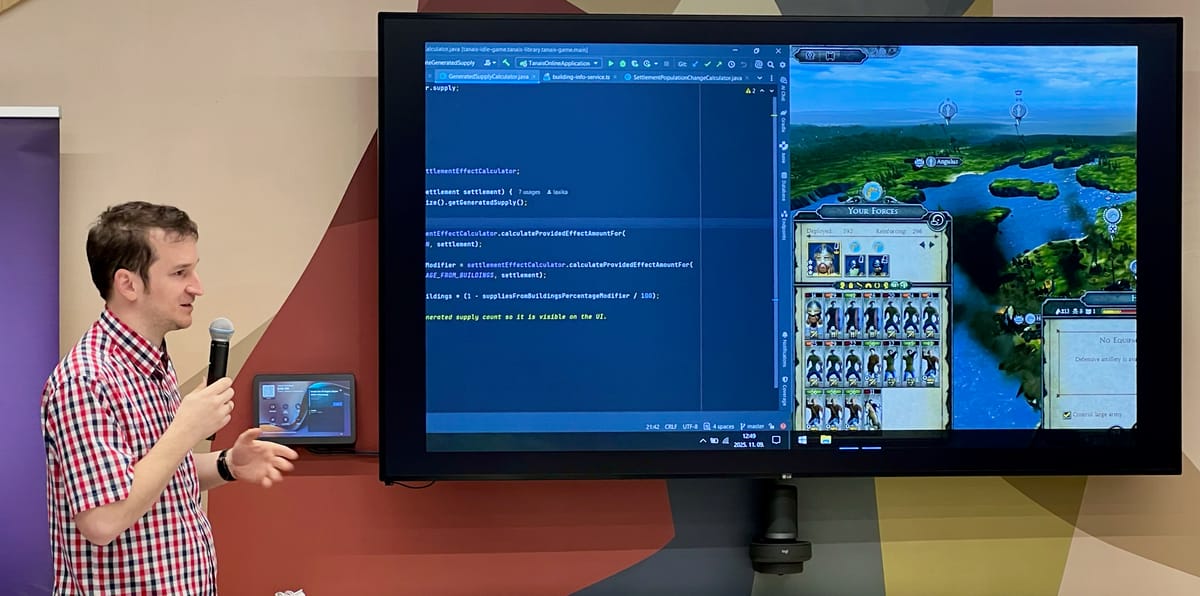
Turns out regular newsletter publishing isn't my forte... anyway. In late November, I checked out an AI meetup with three interesting talks. Some of them didn't have time or ambitions to go deep into details, and there was one who didn't even promise that, just told the story of how a hobby project of his got him hired at Anthropic.
TL;DR:
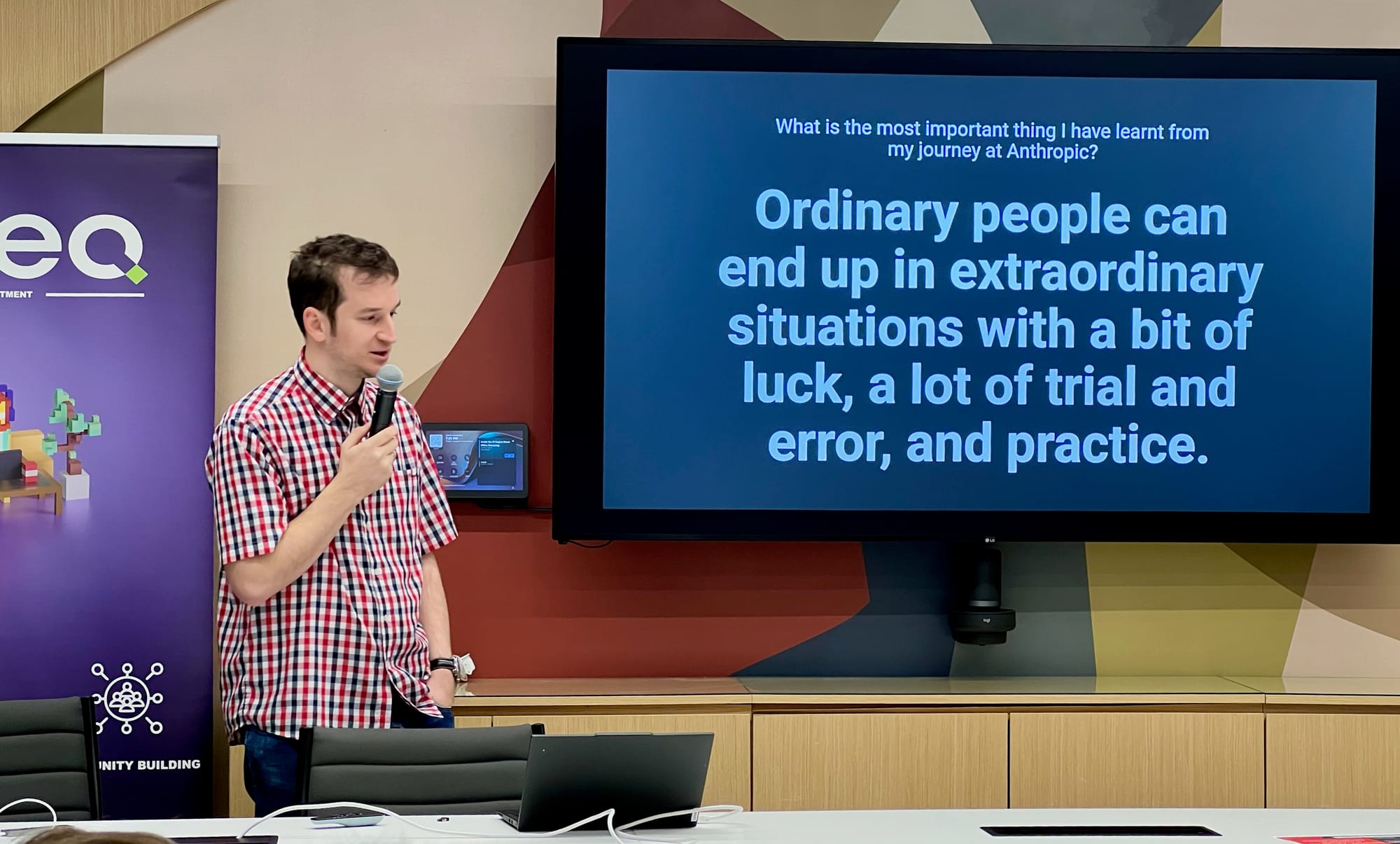
Which made me remember Seneca saying Luck is what happens when preparation meets opportunity. So, if we equate "extraordinary situations" with success (it's a stretch, but bear with me), then we can deduce the above to
success = preparation + opportunity + trial and error + practice
And this is great, because if you think about it, none of these are external factors; we can positively impact all four of them, as even the chance of an opportunity can be increased simply by trying out a lot of scary new stuff.
📋 What I learned this week
New adventures in homelabbing! There is a cool feature in Proxmox (and in most other hypervisors, too, I guess) that lets you dynamically set a VM's memory, allowing it to grow and downscale depending on other VMs' RAM needs. During the last few weeks, I was fine-tuning memory use, when I realized that whatever minimum settings I use, VMs always use the maximum allocated memory.
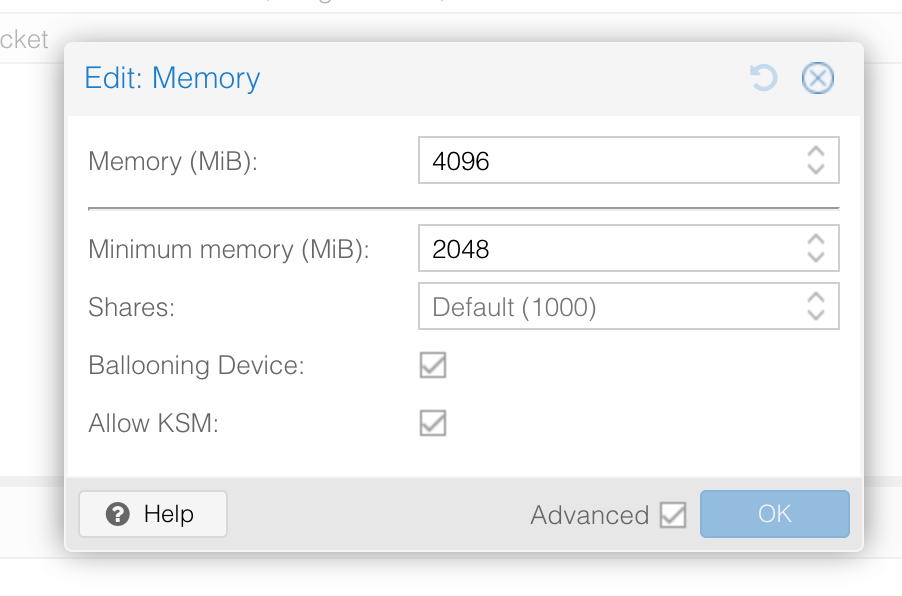
That was when I learned that in order to make this dynamic resizing work, just checking the Ballooning Device box is not enough. You need to install a small agent on the VM too, that communicates (via a virtual serial port, of all things!) with the host, to know if memory needs to be freed up. In hindsight, this is very logical, but it was still a nice discovery; now I know much better how exactly memory management works in a virtualized environment.
🤔 Articles that made me think
Managers Coding At Work
(Thanks to all my readers who sent me this article!)
Will Larson keeps on iterating on this topic, and I love to follow his thinking. Part of what he's saying could be summarized in this more general quote of his:
The perfect allocation of work is not the mathematically ideal allocation that maximizes impact. Instead, it’s the balance between that mathematical ideal and doing things that energize you enough to stay motivated over the long haul.
So, if the joy of coding gives you the fuel to push through a week, then just do it, even if it's not the most valuable work you could be spending your time on.
The rest of the article digs deeper into the details of how to do that efficiently, with the help of a handful of important rules, and of course, the smart, critical use of AI.
Still, Will Larson is a seasoned manager of managers, with decades of experience. If you're just starting management, my opinion is the same as it was a decade ago: stop coding at least for the first few months, so you can move out of your comfort zone and focus on learning the things that will make you better in your new role.
Hire Juniors Now
Kent Beck comes to an opposite conclusion than most people in this era, arguing that with the right AI tool usage, investing in junior developers in this climate pays back better and faster than before. Great point to add to the list of benefits well-balanced seniority can bring to a team.
The Current State of AI Detection
Sean Goedecke explains why it is, by definition, impossible to achieve 100% accuracy in detecting AI-created text, and at the same time, what approaches could get us close to that.
I think we live in a transitional era. Currently, it's typical to assess texts in a binary way, to judge if they are or are not "written by AI." When in reality, increasingly, text is less likely to be fully produced by an LLM, and more likely a result of AI-assisted content creation, a critical use of a tool by a human author. In this case, the question simply becomes: "Is this text good or not?"
This is not unlike how smart developers quickly embraced AI-assisted coding (as opposed to the clueless practice of vibecoding).
That’s it for today, learn something new this weekend,
Péter